
Origin: https://mp.weixin.qq.com/s/wNi5EsZil5CQQDzopgfmrg
导语:自2月28日美以联军对伊朗发动代号“史诗之怒”的军事行动以来,伊朗战事影响不断外溢,大国在应对危机时的战略考量备受关注。与此同时,英国、法国、德国等传统欧洲主要国家,以及印度、土耳其等全球中等强国的反应,可能正反映出更深层次的国际秩序调整。
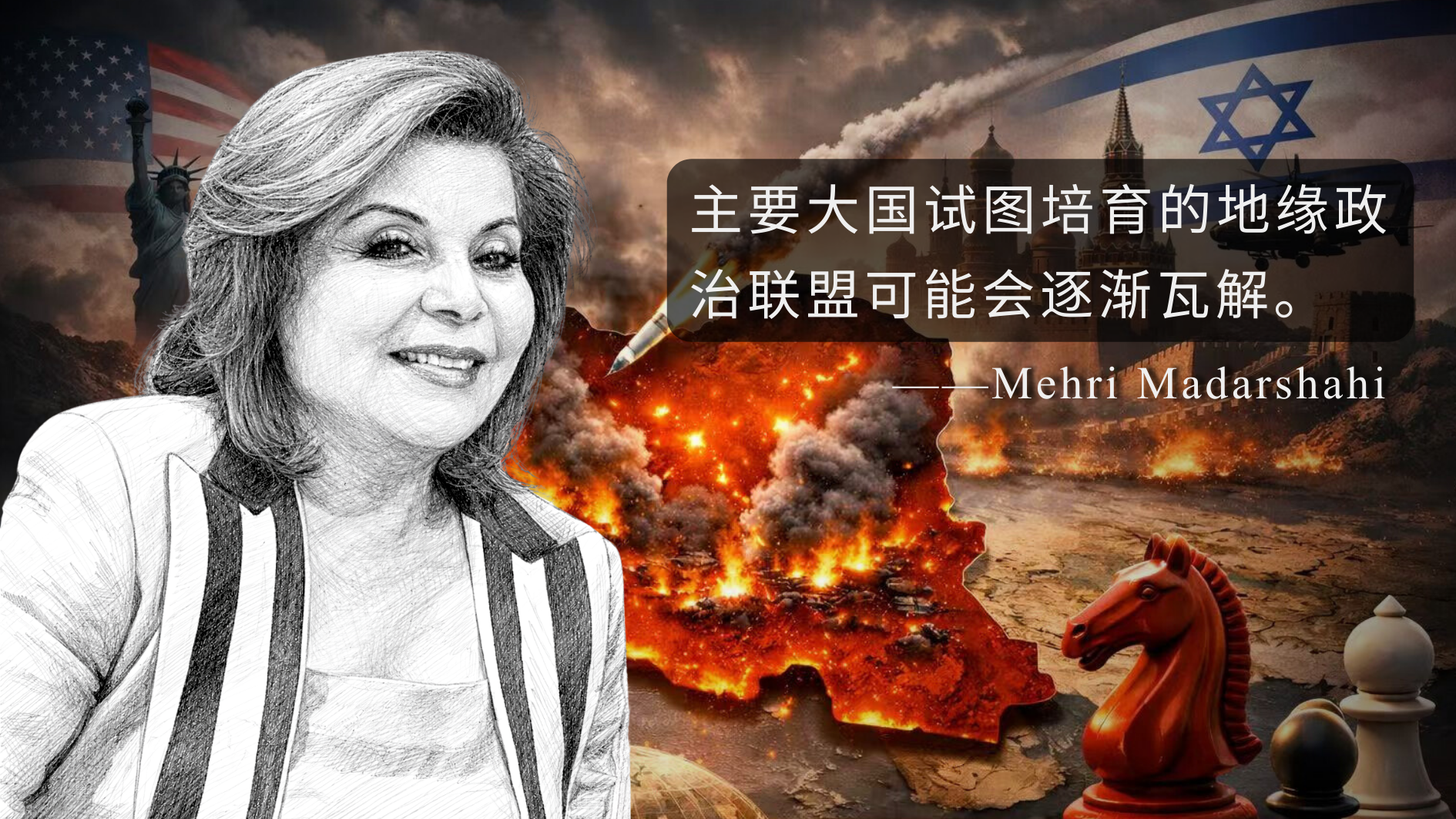
IPP荣誉教授梅里·马达沙希(Mehri Madarshahi)指出,伊朗战事暴露出“大国联盟”模式的固有局限,同时彰显出战略自主性在当今国际体系中日益重要的地位。以“全球南方”国家为代表,包括印度、巴西、印尼、沙特和土耳其等具备独立外交能动性的行为体,或将逐步脱离对特定大国集团的依附,转而通过战略对冲与多边协作谋求自身利益最大化。这一趋势表明,国际体系并未朝向稳定的“三极结构”演进。相反,它更可能走向碎片化、多极化。
梅里·马达沙希(Mehri Madarshahi)华南理工大学公共政策研究院(IPP)荣誉教授、联合国教科文组织下属国际创意和可持续发展中心(ICCSD)顾问委员会成员
Honorary Professor of The Institute of Public Policy (IPP) ,South China University of Technology (SCUT) ; Member of the Advisory Committee of the International Center for Creativity and Sustainable Development under the auspicious of UNESO (ICCSD).
正文
The Iran Test:
Strategic Autonomy and the Fracturing of Great-Power Coalitions
伊朗考验:战略自主与大国联盟的瓦解
新兴“三极秩序”的幻象
The Illusion of Emerging Tripolarity
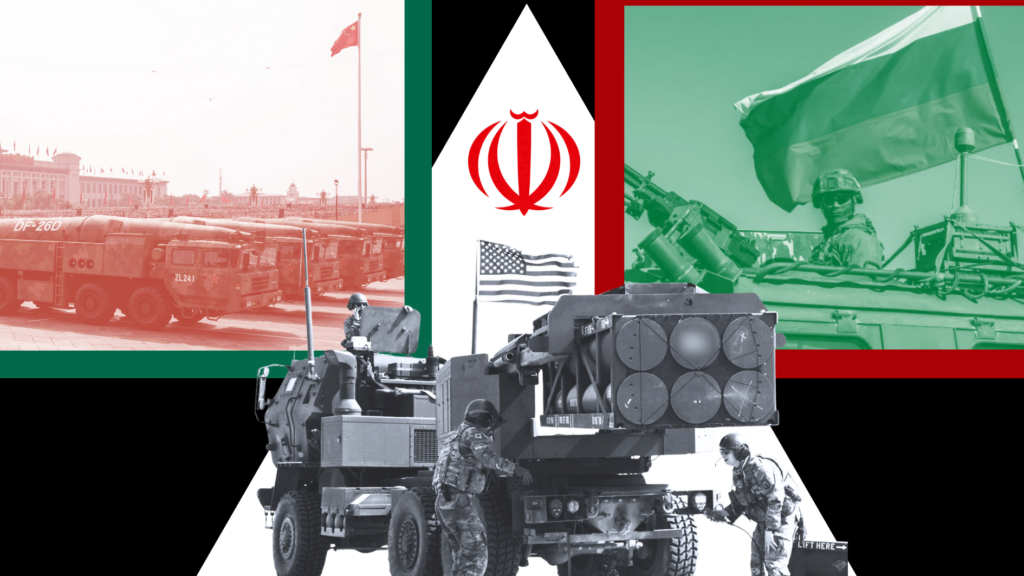
近年来,国际舆论越来越关注一个以美国、中国和俄罗斯为核心的“三极国际秩序”的出现。在这一框架下,发展中国家——通常统称为“全球南方”——被普遍预期会向这些主要地缘政治极点之一靠拢。
For several years, international debate has increasingly focused on the emergence of a tripolar international order structured around the United States, China, and Russia. Within this framework, much of the developing world, often collectively described as the “Global South”, has been expected to gravitate toward one or another of these major geopolitical poles.
然而,近期围绕伊朗危机的发展表明,这种解读可能过于简化。与其说这一事件印证了对立地缘政治集团的巩固,不如说它凸显了大国联盟的局限性,同时揭示了地区行为体追求战略自主的重要性日益增强。
Recent developments surrounding the Iran crisis, however, suggest that this interpretation may be overly simplistic. Rather than confirming the consolidation of rival geopolitical blocs, the episode highlights the limits of great-power alignment and reveals the growing importance of strategic autonomy among regional actors.
伊朗的困境
Iran’s dilama
在过去十年中,伊朗不断深化与俄罗斯和中国在政治、经济及军事领域的联系。这些关系通常被解读为更广泛地缘政治格局的一部分,旨在制衡西方影响力。在能源、防务和外交等领域的合作不断扩展,似乎显示出国际体系中一个替代性联盟正在逐步成型。
Over the past decade, Iran has cultivated closer political, economic, and military ties with both Russia and China. These relationships were often interpreted as part of a broader geopolitical alignment aimed at counterbalancing Western influence. Expanding cooperation in energy, defence, and diplomacy appeared to signal the gradual consolidation of an alternative coalition within the international system.
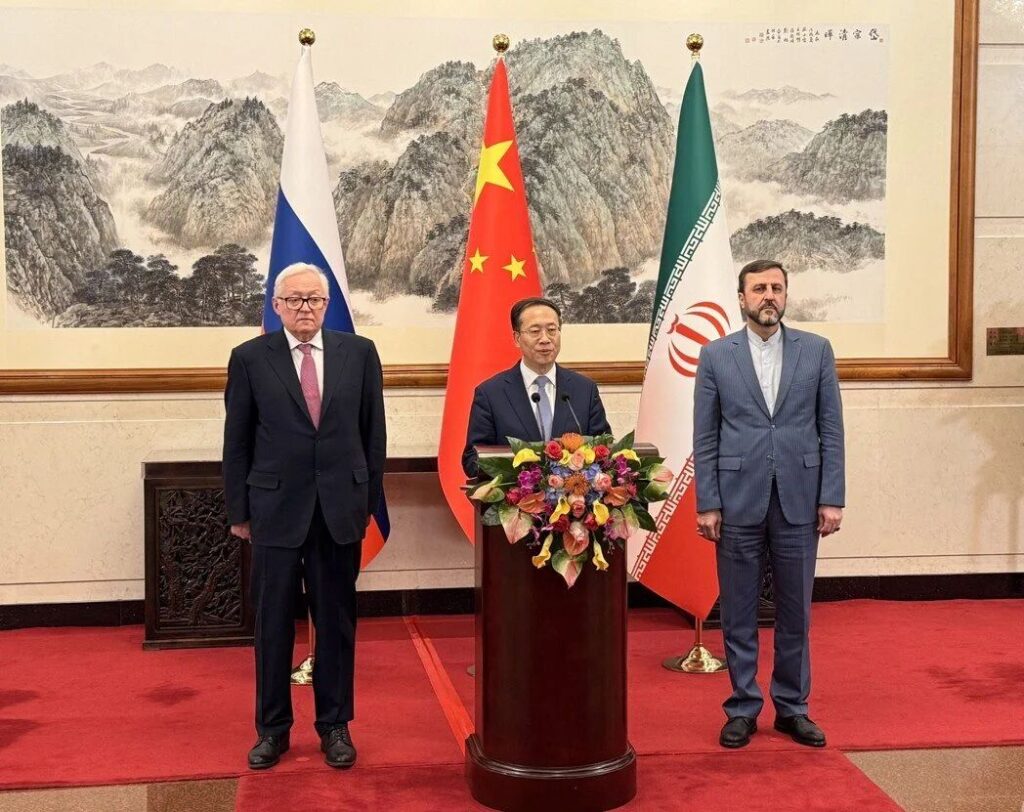
2025年3月14日,中俄伊北京会晤成功举行。中华人民共和国外交部副部长马朝旭、俄罗斯联邦外交部副部长里亚布科夫、伊朗伊斯兰共和国外交部副部长加里布阿巴迪分别与会。(图源:央视新闻)
然而,近期危机暴露出这些安排的固有限制。尽管莫斯科和中国在外交上的言辞对伊朗有所“支持”,并对西方行动提出批评,但两国都不愿将对抗升级,也未提供直接的战略支持。即便在言辞上保持一致、合作关系日益深化,伊朗在这场危机中最终仍几乎独自应对。
Yet the recent crisis demonstrated the inherent limits of these arrangements. While Moscow and Beijing expressed diplomatic support for Iran and criticized Western actions, neither power appeared willing to escalate the confrontation or provide direct strategic backing. Despite rhetorical alignment and growing partnerships, Iran ultimately faced the crisis largely on its own.
这一结果凸显了当代地缘政治的一个重要结构特征:大国与地区行为体之间的战略伙伴关系,往往缺乏历史上塑造稳定地缘政治集团所具有的制度纵深与约束性承诺。俄罗斯的经济制约、中国的全球经济相互依赖性,以及美国不断变化的联盟模式,都限制了明确界定的地缘政治极点的形成。
This outcome underscores an important structural feature of contemporary geopolitics. Strategic partnerships among major powers and regional actors frequently lack the institutional depth and binding commitments that historically defined stable geopolitical blocs. Russia’s economic constraints, China’s global economic interdependence, and the shifting alliance patterns of the United States have all limited the emergence of clearly defined geopolitical poles.
危机并未强化集团政治,反而揭示了当代许多国际伙伴关系的交易性特征。大国可能在“全球南方”各地发展合作关系,但一旦面临大规模升级的风险,其核心战略利益往往会凌驾于对地区伙伴的承诺之上。
Rather than reinforcing bloc politics, the crisis exposed the transactional nature of many contemporary international partnerships. Major powers may cultivate relationships across the Global South, but when confronted with the risk of large-scale escalation, their core strategic priorities tend to prevail over commitments to regional partners.
全球南方的转型
The Transformation of the Global South
这一事件的影响远不止伊朗本身。对于亚洲、非洲和拉丁美洲的许多国家来说,这场危机提供了一个令人警醒的战略教训:与大国建立伙伴关系,并不必然意味着能够获得可靠的安全保障。
The implications of this episode extend far beyond Iran itself. For many countries across Asia, Africa, and Latin America, the crisis offers a sobering strategic lesson: partnerships with major powers do not necessarily translate into reliable security guarantees.
历史上,“全球南方”常被描述为一种政治身份,其形成源于共同的发展挑战以及后殖民时期的团结精神。然而,随着时间推移,这一概念不断演变。如今,这一广义群体中的许多国家——如印度、巴西、印度尼西亚、沙特阿拉伯和土耳其——已具备显著的地缘政治能动性,并日益推动以战略自主为基础的外交政策。
Historically, the Global South was often described as a political identity shaped by shared developmental challenges and post-colonial solidarity. Over time, however, this concept has evolved. Today, many countries within this broad grouping, such as India, Brazil, Indonesia, Saudi Arabia, and Türkiye, possess significant geopolitical agency and increasingly pursue foreign policies based on strategic autonomy.
这些国家并未严格依附于竞争性大国集团,而是力图同时在多方伙伴之间保持平衡。因此,“全球南方”正从一个松散界定的政治联盟,演变为由多元战略行为体组成的星座体系,每个国家都根据自身国家利益在国际体系中自主运筹。
Rather than aligning rigidly with competing great-power blocs, many of these states seek to balance relations with multiple partners simultaneously. The Global South is, therefore, evolving from a loosely defined political coalition into a constellation of diverse strategic actors, each navigating the international system according to its own national interests.
伊朗的经验进一步印证了这一趋势。即便是与大国保持密切战略关系的国家,在危机时刻也无法依赖其直接保护,其他国家可能因此得出结论:依赖远方的庇护国并不能提供可靠的安全保障。
The Iranian experience reinforces this trend. If even a state that maintains close strategic relations with major powers cannot rely on their direct protection in moments of crisis, other countries may conclude that dependence on distant patrons offers limited security.
这一认识可能促使“全球南方”的各国政府更加重视多元化伙伴关系、区域外交,以及围绕战略自主的能力建设。
This realization could encourage governments across the Global South to place greater emphasis on diversified partnerships, regional diplomacy, and autonomous strategic capabilities.
中等强国与战略对冲
Middle Powers and Strategic Hedging
中等强国——指那些在地区具有重要影响力但在全球层面影响有限的国家——对此类发展尤为敏感。对于这些国家而言,伊朗危机凸显了过度依赖远方地缘政治庇护国所带来的风险。
Middle powers states with significant regional influence but limited global reach, are particularly sensitive to these developments. For such countries, the Iran crisis highlights the risks associated with excessive reliance on distant geopolitical patrons.
在日益两极化的国际环境中,许多中等强国可能不会选边站队,而是加大战略对冲的力度。所谓战略对冲,指的是在与多方大国保持合作关系的同时,避免与任何单一大国形成深度战略捆绑。
Rather than choosing sides in an increasingly polarized international environment, many middle powers may intensify strategies of strategic hedging. This approach involves maintaining cooperative relations with multiple major powers while avoiding deep strategic entanglements with any single one of them.
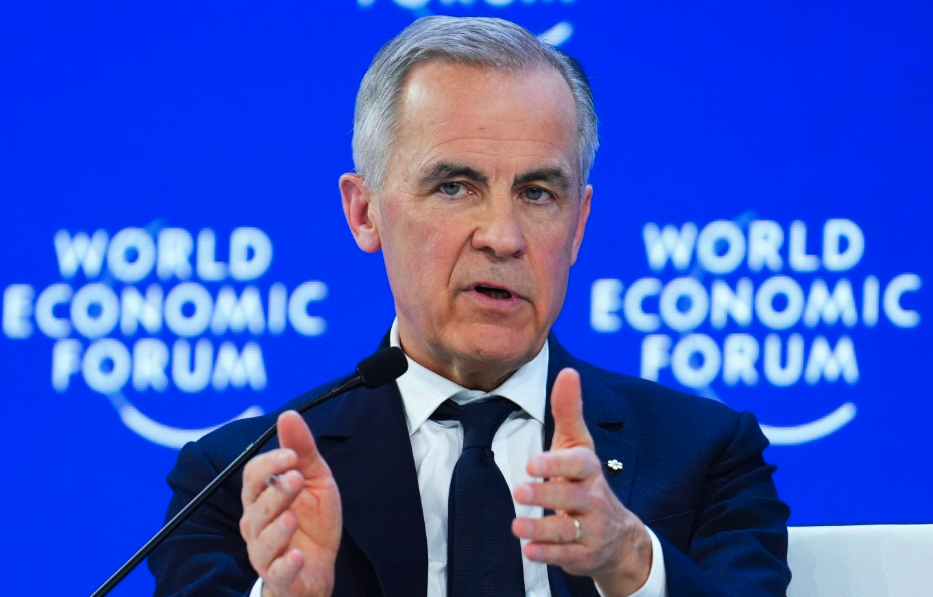
加拿大总理卡尼在达沃斯论坛上呼吁其他“中等强国”在面对大国经济“胁迫”时团结一致。2026年初以来的外交活动中,卡尼在加强与印度、澳大利亚等非超级大国的联系,并且在国际讲话与访问中提出类似“中等强国合作”的理念。图源:AP
在这种背景下,国际体系的发展可能不会朝向僵化的对抗性集团,而更可能呈现出流动性更强、去中心化的格局。地区行为体和中等强国将在塑造外交格局和战略结果中发挥更加突出的作用。
In this context, the international system may evolve not toward rigid rival blocs but toward a more fluid and decentralized configuration. Regional actors and middle powers could play a more prominent role in shaping diplomatic alignments and strategic outcomes.
这种策略并不意味着中立或消极。恰恰相反,它体现了对碎片化国际环境的务实适应——在这种环境中,僵化的联盟所能提供的战略确定性正日益减弱。
Such a strategy does not imply neutrality or passivity. On the contrary, it reflects a pragmatic adaptation to a fragmented international environment in which rigid alliances provide diminishing strategic certainty.
伊朗危机:启示性案例
The Iran Crisis as a Revealing Case
对伊朗的攻击发生在美国对委内瑞拉发动突袭仅两个月之后。这两个国家均与北京和莫斯科保持着密切关系,同时也是中国的重要能源供应国。
The attack on Iran occurred only two months after a U.S. raid against Venezuela, two governments that have maintained close relations with both Beijing and Moscow and that serve as significant energy suppliers to China.
一些分析人士将这些事件置于更广泛的大国竞争框架下进行解读。根据哈德逊研究所的观点,这类打击不应仅被视为孤立的军事行动,而应被看作塑造所谓“印太世纪”新格局的更广泛战略博弈的一部分。
Some analysts have interpreted these events within the broader framework of great-power competition. According to the Hudson Institute, such strikes should be viewed not simply as isolated military operations but as part of a broader strategic contest shaping what it describes as the emerging “Indo-Pacific century.”
中国和俄罗斯的克制回应,揭示了所谓新兴“三极叙事”的局限性。
The restrained responses of China and Russia illustrate the limits of the emerging tripolar narrative.
中国
China
秉持既有外交立场,中国对美以联合打击行动予以谴责,同时避免表现出任何直接军事承诺的迹象。中国将美以的行动定性为对伊朗主权及《联合国宪章》原则的侵犯。
Consistent with its established diplomatic posture, China responded to the U.S.-Israeli strikes with strong rhetorical condemnation while avoiding any indication of direct military commitment. Beijing characterized the actions as a violation of Iran’s sovereignty and of the principles of the United Nations Charter. Yet its response remained confined to diplomatic language.
对于中国而言,伊朗主要作为能源供应国、外交伙伴及受制裁折扣(sanctions-discounted)影响的经济市场,而非传统意义上的正式条约盟友。在这种情况下,为伊朗直接与华盛顿对抗带来的战略利益十分有限,同时伴随着相当大的风险。
For China, Iran is primarily valuable as an energy supplier, diplomatic partner, and sanctions-discounted economic market rather than as a formal treaty ally. In such circumstances, direct confrontation with Washington on Iran’s behalf would offer limited strategic benefits while carrying considerable risks.
在短期内,中国倾向于避免陷入战略困境,同时保持对优先战略区域的关注,尤其是台湾地区和南海。这一立场使北京能够谴责武力使用、捍卫主权原则,同时将在远距离冲突中可能产生的军事成本降至最低。与此同时,保持旁观立场使中国能够在不直接介入的情况下,观察美军的作战行动及后勤能力。
In the short term, China appears determined to avoid strategic entrapment while preserving its focus on priority theatres, particularly Taiwan and the South China Sea. This posture allows Beijing to condemn the use of force and defend principles of sovereignty while minimizing the costs of military involvement in a distant conflict. At the same time, remaining on the sidelines allows China to observe U.S. military operations and logistical capabilities without direct exposure.
中国高度依赖中东能源供应,其中约45%的石油进口需经霍尔木兹海峡。由此可见,海湾地区若出现长期供应中断,对中国确实也会造成一定的不利影响。
However, China’s position is not without vulnerability. The country remains highly dependent on Middle Eastern energy supplies, and approximately 45 percent of its oil imports transit the Strait of Hormuz. Any prolonged disruption in the Gulf would therefore carry significant economic consequences for Beijing.
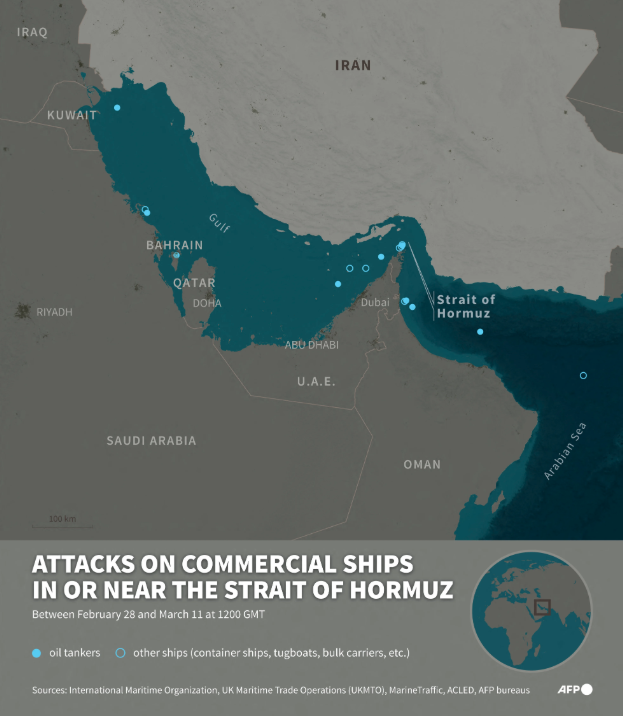
霍尔木兹海峡及其附近区域在2026年2月28日至3月11日发生的商船袭击事件分布(蓝色圆点:油轮;空心圆:其他船舶)。图源:AFP
更广泛地看,这一事件也凸显了中国对外战略的一个结构性特征:中国的国际合作关系往往以深度经济嵌入和融合为核心,但在安全承诺上则相对有限。虽然从中国自身角度来看,这一模式可能是理性的;但对于面临迫切安全威胁的合作伙伴而言,可能会希望得到来自中国的更多安全保障。
More broadly, the episode highlights a structural feature of China’s external engagement strategy. Beijing’s international partnerships are often characterized by deep economic integration combined with relatively limited security commitments. While this model may appear rational from China’s perspective, it may prove less reassuring to partners confronted with acute security threats.
俄罗斯
Russia
自2022年以来,伊朗也成为俄罗斯重要的军事与外交伙伴。然而,俄罗斯与伊朗于2025年1月签署的全面战略伙伴关系条约并未包含共同防御条款。与俄罗斯与白俄罗斯或朝鲜等国的安排不同,双方签订的条约并未要求进行军事干预。
Iran has also become an important military and diplomatic partner for Russia since 2022. Nevertheless, the Russia–Iran strategic partnership agreement signed in January 2025 does not include a mutual defence clause. Unlike Russia’s arrangements with states such as Belarus or North Korea, the agreement stops short of obligating military intervention.
在美以对伊朗发起打击时,克里姆林宫谴责了这些行动,但同时却强调了伊朗并未请求俄罗斯提供军事援助。这种表述使莫斯科能够传达政治支持,而无需越过直接介入的门槛。从短期来看,俄罗斯可能会从能源价格上涨以及西方战略注意力从乌克兰战争上转移中获得一定的经济收益。然而,从政治角度来看,这场危机可能损害莫斯科作为可靠战略伙伴的形象。
When the strikes occurred, the Kremlin condemned the attacks but emphasized that Iran had not requested Russian military assistance. This formulation allowed Moscow to signal political support without crossing the threshold into direct involvement. In the short term, Russia may benefit economically from higher energy prices and from any diversion of Western strategic attention away from the war in Ukraine. Politically, however, the crisis risks damaging Moscow’s image as a reliable strategic partner.
即便俄罗斯从未正式承诺提供军事防护,但若外界认为其无法或不愿保护合作伙伴,仍可能造成声誉受损。一个无法保障伙伴安全的国家,或许仍能够让他国敬畏,但难以真正赢得信任。
Even if Russia never formally promised military defence, the perception that it was unable or unwilling to protect a close partner may carry reputational costs. A power that cannot shield its partners may still inspire fear, but it inspires less confidence.
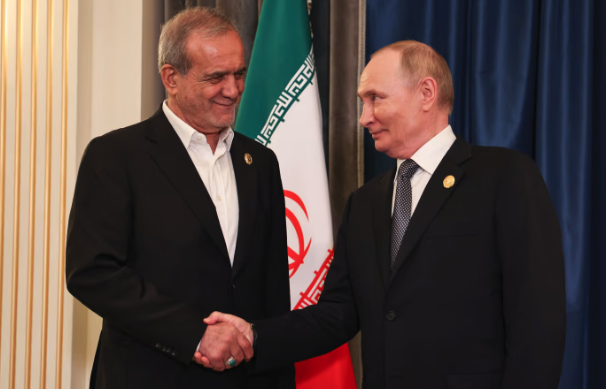
伊朗总统马苏德·佩泽什基扬和俄罗斯总统弗拉基米尔·普京去年在上海会晤。图源:塔斯社
美国
The United States
美国在委内瑞拉和伊朗的行动同样反映了更广泛的战略考量。在委内瑞拉的突袭行动,凸显了华盛顿仍愿意在其自视为传统势力范围内投射压倒性的军事力量。
The U.S. operations in Venezuela and Iran also appear to reflect broader strategic calculations. The raid in Venezuela demonstrated Washington’s willingness to project overwhelming military power within what it still considers its traditional sphere of influence.
与此同时,该行动似乎旨在实现政治目标,例如针对领导层实施“斩首”行动或对政权施加压力,同时避免对能源基础设施造成大规模破坏。这表明,其战略意图是“精确干预”,而非无差别的战争行为。
At the same time, the operation appeared designed to achieve political objectives, such as leadership decapitation or regime pressure, without causing large-scale disruption to energy infrastructure. This suggests a strategy of calibrated intervention rather than indiscriminate warfare.
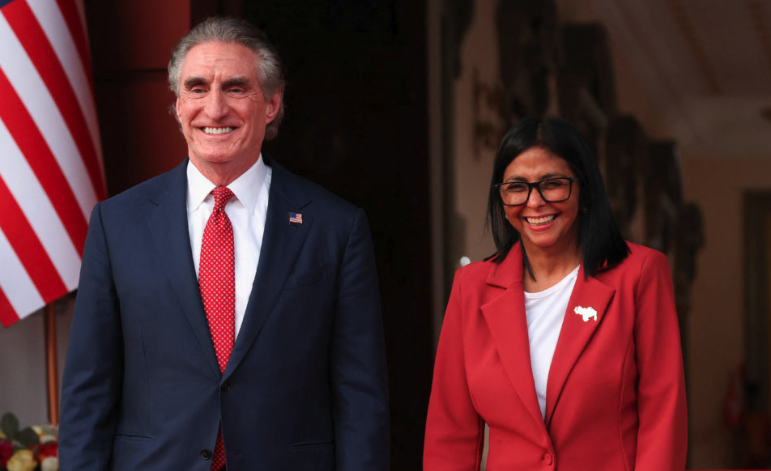
当地时间3月5日,美国国务院宣布,美国和委内瑞拉已同意恢复外交和领事关系。图为委内瑞拉临时总统德尔西·罗德里格斯(右)在委内瑞拉首都加拉加斯米拉弗洛雷斯总统府,在美国内政部长道格·伯古姆(左)的陪同下签署文件。图源:PBS
涉及伊朗的冲突可能同样体现了一种更广泛的战略冒险。在针对这一重要地区对手的同时,由于其他大国直接干预的可能性较低,华盛顿似乎判断国际地缘政治环境是允许其采取行动的。
The conflict involving Iran may similarly represent a broader strategic gamble. By targeting a major regional adversary while the likelihood of direct intervention by other major powers remained low, Washington appears to have calculated that the geopolitical environment was permissive.
从短期来看,美国展示了其军事投射能力与战略主动性。然而,政权更迭行动和定点干预的常态化,可能对规范武力使用的国际规则稳定性产生深远的影响。
In the short term, the United States has demonstrated military reach and strategic initiative. However, the normalization of regime-change operations and targeted interventions could have long-term consequences for the stability of international norms governing the use of force.
大国的“信誉鸿沟”
The Credibility Gap of Great Powers
对于许多来自“全球南方”的观察人士而言,伊朗事件提出了一个根本性问题:无论是西方大国还是非西方大国,是否有任何一方能够真正成为可靠的战略保护者?
For many observers across the Global South, the Iran episode raises a fundamental question: can any major power, Western or non-Western, serve as a reliable strategic protector?
这一危机表明,当核心利益未直接受到威胁时,当代大国越来越倾向于将自身战略考量置于伙伴防御之上。因此,可以从中得出若干启示:
The crisis suggests that contemporary great powers increasingly prioritize their own strategic calculations over the defence of partners when core interests are not directly at stake. Several lessons may therefore emerge:
首先,战略自主的重要性日益凸显。各国不能想当然地认为,在危机时刻,远方大国会提供可靠的安全保障。
First, strategic autonomy has become increasingly important. Countries cannot assume that distant powers will provide security guarantees in moments of crisis.
其次,战略对冲很可能成为主导的外交策略。各国可能会日益在多个大国之间分散伙伴关系,而非依赖单一的地缘政治庇护国。
Second, strategic hedging is likely to become the dominant diplomatic strategy. States may increasingly diversify their partnerships across multiple powers rather than relying on a single geopolitical patron.
第三,中等强国可能通过协调区域性举措和灵活联盟,在国际体系中获得更大影响力。
Third, middle powers may gain influence within the international system by coordinating regional initiatives and flexible coalitions.
走向碎片化的多极化
Toward Fragmented Multipolarity
综合来看,这些发展表明,国际体系并未朝向稳定的“三极结构”演进。相反,它更可能走向碎片化多极化——这一国际环境的特征是存在多个影响力中心、联盟关系灵活多变,以及外交行为高度务实。
Taken together, these developments suggest that the international system is not converging toward a stable tripolar structure. Instead, it appears to be moving toward fragmented multipolarity, an environment characterized by multiple centers of influence, fluid coalitions, and pragmatic diplomacy.
在这样的体系中,地缘政治格局不太可能固化为僵化的集团。相反,各国将越来越倾向于根据具体利益和区域环境,追求灵活多变的伙伴关系。
In such a system, geopolitical alignments are less likely to crystallize into rigid blocs. Instead, states will increasingly pursue flexible partnerships tailored to specific interests and regional contexts.
战略极简主义与地缘政治庇护模式的衰落
Strategic Minimalism and the Decline of Geopolitical Patronage
因此,国际体系可能正进入一个新阶段,在这一阶段,大国力图维持影响力,同时尽量减少直接的安全承诺。这一新兴格局可被称为“战略极简主义”(strategic minimalism)。
The international system may therefore be entering a new phase in which major powers seek to preserve influence while minimizing direct security commitments. This emerging pattern can be described as strategic minimalism.
在冷战时期,全球政治格局建立在相对清晰的地缘政治庇护体系之上。美国和苏联维持着由盟友和附属国组成的网络,这些国家通过正式的安全保障、军事援助和经济支持获得维护。
During the Cold War, global politics was structured around relatively clear systems of geopolitical patronage. The United States and the Soviet Union maintained networks of allies and client states supported through formal security guarantees, military assistance, and economic aid.
然而,如今的大国似乎越来越不愿承担此类承诺所带来的成本与风险。相反,它们往往通过经济合作、外交参与以及选择性干预来谋求影响力。
Today, however, major powers appear increasingly reluctant to assume the costs and risks associated with such commitments. Instead, they often seek influence through economic partnerships, diplomatic engagement, and selective intervention.
这种转变并不意味着大国的脱离。大国仍深度参与全球事务,但其参与方式日益表现为经过精确权衡的影响力施展,而非无条件的保护。
This transformation does not imply disengagement. Great powers remain deeply involved in global affairs, but their engagement increasingly takes the form of calibrated influence rather than unconditional protection.
对于许多国家——尤其是那些不属于正式联盟体系的国家——这种转变可能意味着需要更加重视自力更生、区域合作以及多元化伙伴关系。
For many states-particularly those outside formal alliance structures-this shift may require greater emphasis on self-reliance, regional cooperation, and diversified partnerships.
结论
Conclusion
伊朗危机的重要性,或许并不在于其即时的军事或外交后果,而在于它向更广泛的国际社会传递的战略启示。
The Iran crisis may ultimately prove less important for its immediate military or diplomatic consequences than for the strategic lessons it conveys to the broader international community.
对于全球南方的许多国家以及新兴中等强国而言,这一事件凸显了在日益碎片化的国际体系中,大国庇护的局限性。与大国建立伙伴关系虽然可能带来经济机会和外交支持,但并不必然转化为可靠的安全保障。
For many countries across the Global South and among emerging middle powers, the episode highlights the limits of great-power patronage in an increasingly fragmented international system. Partnerships with major powers may offer economic opportunities and diplomatic support, but they do not necessarily translate into reliable security guarantees.
如果这种认知在更大范围内扩散开来,伊朗危机的持久影响可能不在于冲突本身,而在于全球主要大国试图培育的地缘政治联盟逐渐瓦解。
If this perception spreads, the lasting legacy of the Iran crisis may not be the conflict itself but the gradual erosion of the geopolitical coalitions that the world’s major powers have sought to cultivate.