
Origin: https://mp.weixin.qq.com/s/Eu9H-_Nh3yPefTXaYMh5Ag
【导读】2026年夏季,西欧多国气温突破40°C,法国因核电站冷却问题被迫停机,英国正逼近1976年创下的高温纪录。极端天气已不再是遥远的预警,而是正在发生的日常。然而,与气候危机日益紧迫形成鲜明对照的,是旨在应对全球变暖的能源转型,正与一个日益碎片化的地缘政治世界迎头相撞。
华南理工大学公共政策研究院(IPP)荣誉教授梅赫里·马达尔沙希(Mehri Madarshahi)在本文中指出,能源转型的真正挑战,并非技术替代的速度,而是转型所发生于其中的国际体系的性质。旧的能源秩序围绕对油田、管道和海上航线的控制而建立;新兴的能源秩序则日益围绕对关键矿产、制造能力、供应链和数字基础设施等网络的掌控而展开。权力逻辑未变,权力地理已然改写。在她看来,气候安全不同于传统安全——它无法通过支配他人来获取,只能通过减少共同脆弱性来实现。文章最终追问:人类能否超越化石能源时代所造就的地缘政治习惯?这个问题,或许比能源转型本身更能定义我们时代的走向。
武器化相互依赖时代下的能源与气候变化 Energy and Climate Change in an Age of Weaponized Interdependence
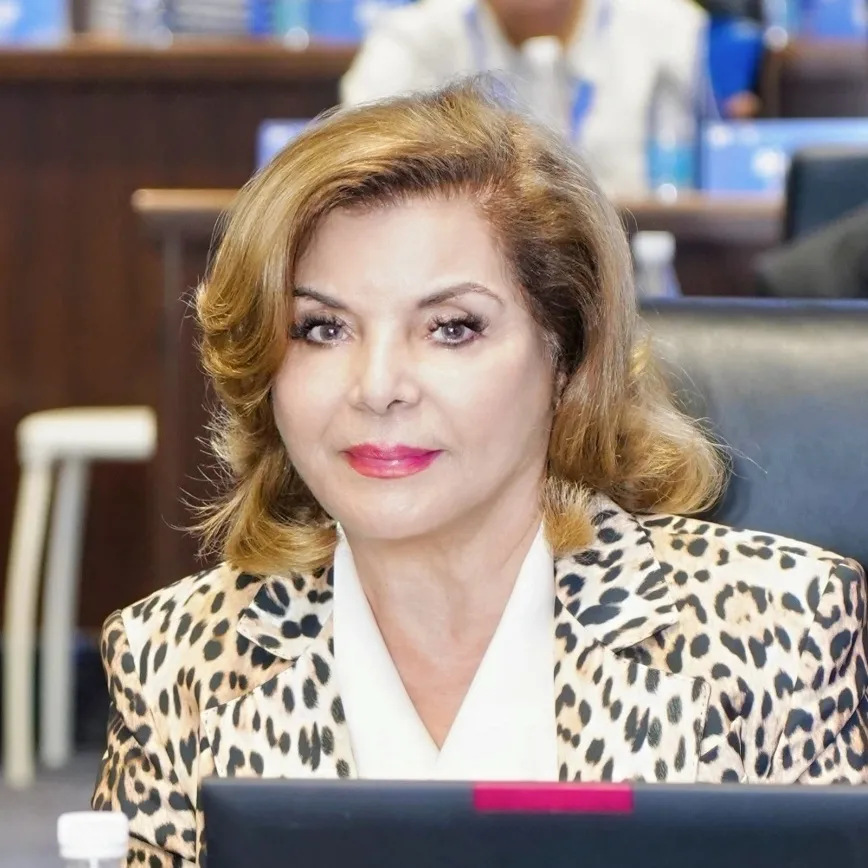
本文作者:Mehri Madarshahi(梅赫里·马达尔沙希)IPP荣誉教授、联合国教科文组织下属国际创意和可持续发展中心(ICCSD)顾问委员会成员
引言 Introduction
世界正在改变为现代文明提供动力的能源来源,但世界尚未改变支配这些能源来源的政治逻辑。
The world is changing the sources of energy that power modern civilisation, but it has not yet changed the political logic that governs them.
本周,法国、西班牙、意大利和英国等欧洲部分地区的气温预计将超过40°C,促使多国政府发布罕见的”红色极端高温全国严重天气预警”,意味着生命和基础设施面临风险。法国气温刚达到42°C,导致数百所法国学校关闭,为老年人设立避难所,并因冷却问题关闭了核电站。
This week, temperatures in parts of Europe including France, Spain, Italy and England are likely to reach over 40°C, prompting many governments to issue a rare “red extreme heat national severe weather warning” signifying risk to life and infrastructure. France’s temperature just reached 42°C, resulting in closures of hundreds of French schools, establishing shelters for the elderly, and shutdowns of nuclear power plants because of cooling issues.

由于法国高温天气持续,6月23日埃菲尔铁塔运营方宣布,为保障游客和工作人员安全,埃菲尔铁塔于23日下午提前关闭。法国气象局目前将54个省级行政区划列为高温红色预警区域,约占该国面积的一半。新华社记者 邬惠我 摄
在英国,当前的热浪似乎将打破1976年6月创下的35.6°C的纪录——当时水资源短缺、农作物歉收和众多死亡事件迫使政府设立干旱事务部长。这场干旱的50周年正值一个令人恐惧的未来快进式预演。一连串专家借1976年干旱50周年之机发出警告:道路融化、电力线路故障、野火、供应链中断、水库干涸,以及专为蓄热而设计的砖砌建筑变成烤炉。
In England, the current heatwave looks to shatter the 35.6°C record that was set in June 1976, when water shortages, failed harvests and many deaths forced the government to create a minister for drought. This 50th anniversary of that drought is a terrifying fast-forward into a sweltering future. A parade of experts used the 1976 anniversary to warn of melting roads, failing power lines, wildfires, disrupted supply chains, empty reservoirs, and brick buildings—designed to retain heat—turning into ovens.
“伦敦不仅在变暖——它简直在被烘烤。”
“London isn’t just warming—it is cooking.”
周二,联合国秘书长在伦敦气候行动周上发表讲话,呼吁世界各国以更大的紧迫感应对全球变暖,当时气温正于6月刷新纪录。对健康、交通、能源和供水的影响已有记录。
Speaking at London Climate Action Week on Tuesday, the United Nations Secretary-General called for the world to act with greater urgency to address global warming as temperatures were reaching a new record in June. Severe impacts on health, transport, energy and water supplies are being recorded.
如今,西欧大部分地区都处于高温炙烤之中,超过一半的南欧地区处于红色警戒状态。在世界各地,气候灾害正变得更加频繁、更具破坏性和代价更高昂。
Today, much of Western Europe is sweltering in hot conditions, with more than half of Southern Europe under red alert. Around the world, climate disasters are becoming more frequent, more destructive and more costly.
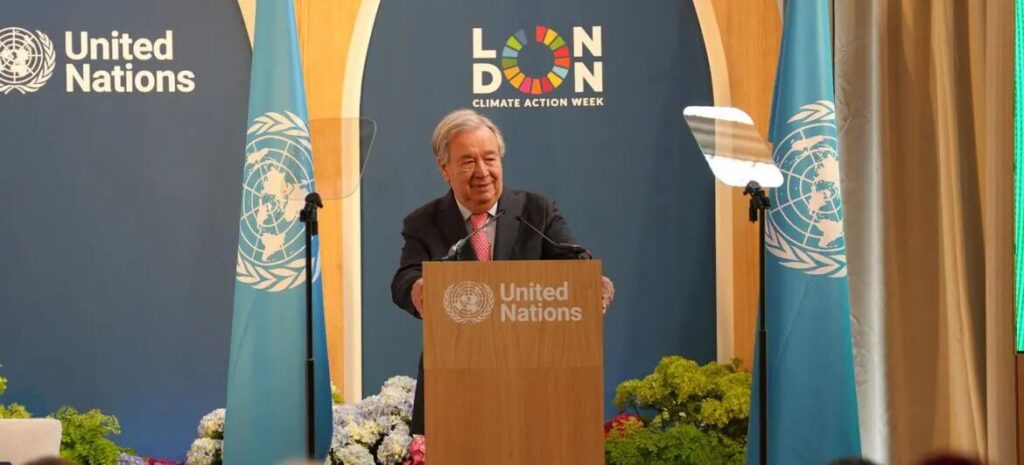
联合国秘书长古特雷斯6月23日在伦敦气候行动周发表讲话指出,世界正同时面临气候危机和能源危机,而驱动这两场危机的是同一种力量——化石燃料。他呼吁各国快速、公平地向清洁能源转型,同时加强适应能力、韧性建设和气候公正,以应对不断升级的全球挑战。图:联合国
《巴黎气候协定》签署后,从化石燃料(全球变暖的主要成因)向可持续能源的转型被视为一个历史性转折点。当时普遍的假设是,用可再生能源技术替代化石燃料,不仅会减少温室气体排放,还会逐渐削弱长期围绕石油和天然气形成的地缘政治竞争。
Following the Paris Climate Agreement, the energy transition from fossil fuels—as the main causes of global warming—to sustainable sources was viewed as a historic turning point. The prevailing assumption was that replacing fossil fuels with renewable technologies would not only reduce greenhouse gas emissions but gradually weaken the geopolitical rivalries that had long surrounded oil and gas.
十年之后,这一假设或许需要重新校准。A decade later, this assumption may require recalibration.自那时以来,世界取得了重大技术进展。可再生能源迅速扩张,清洁技术变得更具竞争力,脱碳仍是全球气候战略的核心。然而,这些进展与一种截然不同的政治现实并存:地缘政治竞争加剧、经济碎片化和相互依赖日益被用作战略杠杆。
Since then, the world has made significant technological progress. Renewable energy has expanded rapidly, clean technologies have become more competitive, and decarbonisation remains central to global climate strategies. Yet these advances have occurred alongside a very different political reality: intensifying geopolitical competition, economic fragmentation, and the increasing use of interdependence as a source of strategic leverage.
因此,当今世界面临的挑战不仅仅是能源转型的速度,更是覆盖这一转型进程的国际体系的性质。
The challenges facing the world today are, therefore, not simply the speed of the energy transition, but the nature of the international system in which that transition is unfolding.
旧的能源秩序是围绕对化石资源的控制而建立的:油田、天然气储量、管道和海上航线。新兴的能源秩序则日益围绕对网络的控制而建立:关键矿产、制造能力、技术、供应链、数据系统和基础设施。
The old energy order was built around control of fossil resources: oil fields, gas reserves, pipelines, and maritime routes. The emerging energy order is increasingly built around control of networks: critical minerals, manufacturing capacity, technologies, supply chains, data systems, and infrastructure.
值得注意的是:权力的地理格局正在改变,但权力的逻辑却惊人地持续存在。
Important to note: the geography of power is changing, but the logic of power remains remarkably persistent.
这构成了当今时代的核心悖论。气候变化需要前所未有的合作,因为大气风险、极端天气、移民压力、粮食不安全和生态破坏无法被限制在国境之内。然而,旨在应对这些风险的转型,却发生在各国日益优先考虑安全、自主和战略优势的时刻。
This creates the defining paradox of the current era. Climate change requires unprecedented cooperation because atmospheric risks, extreme weather, migration pressures, food insecurity, and ecological disruption cannot be contained within national borders. Yet the transition designed to address these risks is occurring at a time when nations increasingly prioritise security, autonomy, and strategic advantage.
世界不仅仅是从化石燃料转向可再生能源。它正从一个以对资源的控制为标志的时代,走向一个日益由对技术、网络和系统的控制所塑造的时代。
The world is not simply moving from fossil fuels to renewable energy. It is moving from an era defined by control over resources into one increasingly shaped by control over technologies, networks, and systems.
除非能源的治理方式随其技术一同改变,否则人类将冒着在绿色经济中重现化石能源时代诸多脆弱性和竞争的风险,甚至倒退到20世纪初的境地。
Unless the governance of energy changes alongside the technology of energy, humanity risks reproducing in the green economy many of the vulnerabilities and rivalries that defined the fossil-fuel age, and may risk regressing to where it was at the beginning of the 20th century.
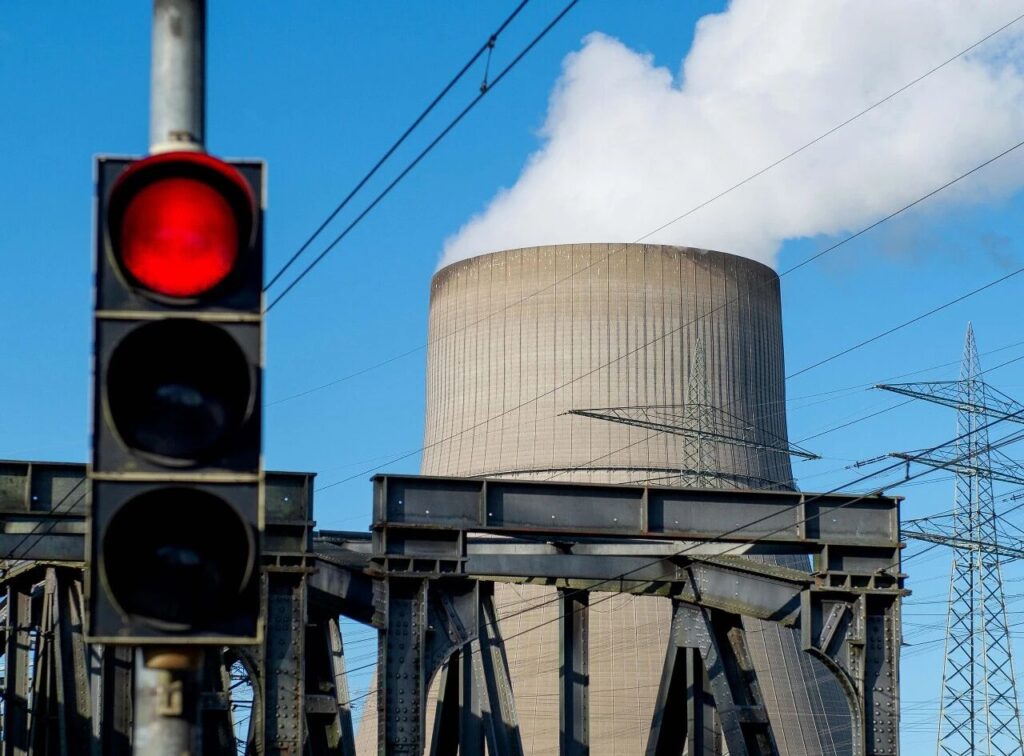
2023年4月11日,位于德国下萨克森州的埃姆斯兰核电站。图:新华社
从《巴黎协定》到碎片化:合作型转型的瓦解
From Paris to Fragmentation: The Collapse of a Cooperative Transition
《巴黎协定》不仅仅代表一项环境承诺。它反映了一种信念:气候变化可以成为新型全球合作的基础。尽管存在政治分歧,各国似乎认识到,全球性风险需要集体应对方案。
The Paris Agreement represented more than an environmental commitment. It reflected a belief that climate change could become a foundation for a new form of global cooperation. Despite political differences, states appeared to recognise that planetary risks required collective solutions.
《巴黎协定》签署后的几年增强了这种乐观情绪。可再生能源迅速扩张,技术创新加速,金融市场拥抱气候目标,各国政府日益将脱碳纳入国家发展战略。
The years following Paris strengthened this optimism. Renewable energy expanded rapidly, technological innovation accelerated, financial markets embraced climate objectives, and governments increasingly incorporated decarbonisation into national strategies.
然而,这一合作势头遭遇了彻底改变的地缘政治环境。
Yet this cooperative momentum encountered a fundamentally changed geopolitical environment.
乌克兰战争、中东不稳定、波斯湾日益加剧的紧张局势、大国之间的竞争,以及对经济安全日益增长的关切,共同改变了能源政策的含义。能源不再主要通过环境转型的视角来看待,而是重新回到国家安全考量的中心。
The war in Ukraine, instability in the Middle East, rising tensions in the Persian Gulf, competition between major powers, and growing concerns over economic security transformed the meaning of energy policy. Energy is no longer viewed primarily through the lens of environmental transformation; rather, it has returned to the centre of national security calculations.
各国政府发现,随着全球化的发展,脆弱性并未消失——对外部供应商、关键基础设施、海上走廊和战略技术的依赖,可能成为政治压力的来源。
Governments discovered that, with globalisation, vulnerability did not disappear. Dependence on external suppliers, critical infrastructure, maritime corridors, and strategic technologies could become sources of political pressure.
因此,转型进入了一个矛盾的阶段:恰恰在各国走向更大战略竞争之时,气候变化却需要更深层次的合作。
The transition therefore entered a paradoxical phase: climate change required deeper cooperation precisely when states were moving toward greater strategic competition.
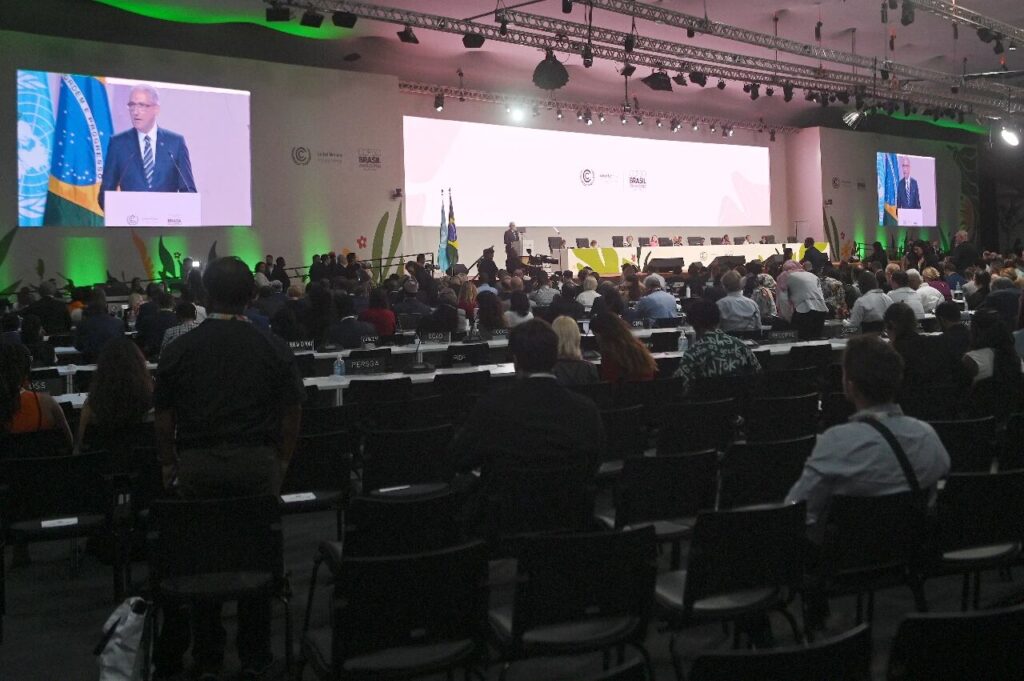
2025年11月10日,《联合国气候变化框架公约》第三十次缔约方大会(COP30)开幕式在巴西北部城市贝伦召开。本届大会聚焦多项重要气候议题,呼吁全球携手为应对气候危机寻找共同解决方案,加速减少排放,增强气候韧性,推动包容、公正的转型。图:新华社
能源作为战略的回归
The Return of Energy as Strategy
近期事件挑战的第二个假设是:”随着可再生能源技术扩张,化石燃料将逐渐失去地缘政治重要性。”
The second assumption challenged by recent events was that fossil fuels would gradually lose geopolitical importance as renewable technologies expanded.
恰恰相反,石油和天然气反而保持了其战略作用,且日益增强。
Instead, and on the contrary, oil and gas have more and more retained their strategic role.
这种持续存在并不仅仅是经济惯性的结果。化石燃料仍深嵌于权力体系之中:军事规划、工业生产、全球贸易和国际影响力。
This persistence is not simply the result of economic inertia. Fossil fuels remain embedded within systems of power: military planning, industrial production, global trade, and international influence.
对生产的控制只是这种权力的一个维度。更重要的是,对能源流动的控制也变得同等重要。
Control over production is only one dimension of this power. Increasingly, control over energy flows has become equally important.
霍尔木兹海峡的局势证明了这一转变。它的重要性不仅仅来自周围分布的石油储量,更来自其作为全球依赖关键节点的地位。威胁、中断或保护能源流动的能力,赋予各国超越其经济规模的战略影响力。
The Strait of Hormuz demonstrates this transformation. Its importance does not come merely from the oil reserves surrounding it, but from its position as a critical point of global dependency. The ability to threaten, disrupt, or protect flows gives states strategic influence beyond their economic size.
因此,能源权力已经演变。
Energy power has, therefore, evolved.
二十世纪的核心问题是:谁控制资源?二十一世纪的问题则是:谁控制脆弱性?
Who controls the resources? That was the main question asked in the twentieth century. The twenty-first-century question is: Who controls the vulnerabilities?
石油不再仅仅是一种商品。它是涉及制裁、供应链、基础设施和战略准入的更广泛影响力架构的一部分。
Oil is no longer only a commodity. It is part of a wider architecture of influence involving sanctions, supply chains, infrastructure, and strategic access.
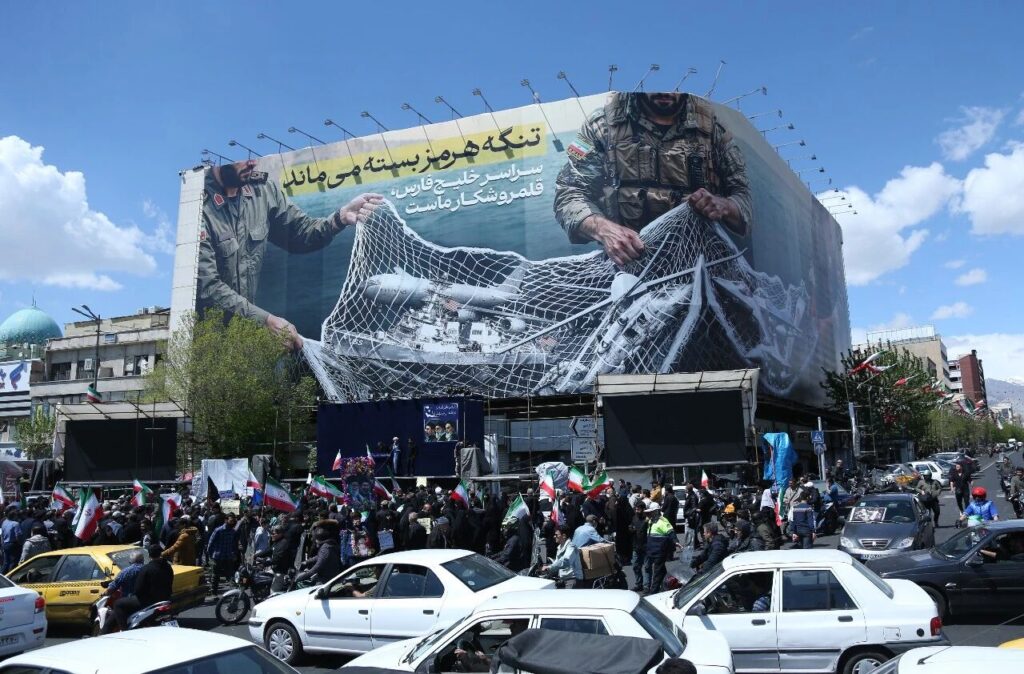
2026年4月8日,民众在伊朗首都德黑兰革命广场参加集会。广场的大幅宣传画上文字内容是“霍尔木兹海峡仍然关闭 整个波斯湾都是我们的猎场”。图:新华社
超越化石燃料:绿色经济的地缘政治
Beyond Fossil Fuels: The Geopolitics of the Green Economy
因此,能源转型最大的误解并不在于相信可再生能源将终结地缘政治。而是在于假设化石能源时代创造的地缘政治结构,可以原封不动地移植到清洁能源时代。
The greatest misconception of the energy transition is, therefore, not the belief that renewable energy will end geopolitics. Rather, it is the assumption that the geopolitical structures created during the fossil-fuel era can simply be transferred unchanged into the age of clean energy.
摆脱化石燃料的转型,代表了能源与权力之间关系的深刻转变。一个多世纪以来,对石油和天然气储量、生产能力、运输路线和海上咽喉要道的控制,塑造了各国的战略考量。能源安全很大程度上被定义为获取集中于特定地理区域的稀缺资源。
The transition away from fossil fuels represents a profound transformation in the relationship between energy and power. For more than a century, control over oil and gas reserves, production capacity, transportation routes, and maritime chokepoints shaped the strategic calculations of states. Energy security was largely defined by access to scarce resources concentrated in specific geographical regions.
新兴的绿色经济改变了这一等式。
The emerging green economy changes this equation.
可再生能源可以减少对持续开采的燃料的依赖,但它引入了一个围绕技术、创新、工业能力、关键矿产、电池生产、电网和数字基础设施构建的全新战略格局。问题不再仅仅是”谁控制能源资源”,而是”谁控制生产、储存、分配和管理能源的系统”。
Renewable energy could reduce dependence on continuously extracted fuels, but it introduces a new strategic landscape built around technology, innovation, industrial capacity, critical minerals, battery production, electricity grids, and digital infrastructure. The question is no longer only who controls energy resources, but who controls the systems that produce, store, distribute, and manage energy.
美国与中国之间的竞争彰显了这一历史性转变。它们之间的竞争不仅仅是对气候领导地位的争夺,更是对谁能塑造二十一世纪工业架构的角力。在可再生技术、先进制造、人工智能和能源创新领域的领先地位,将影响经济竞争力、技术影响力和全球权力。
The competition between the United States and China illustrates this historic transformation. Their rivalry is not simply a contest over climate leadership; it is a struggle over who will shape the industrial architecture of the twenty-first century. Leadership in renewable technologies, advanced manufacturing, artificial intelligence, and energy innovation will influence economic competitiveness, technological influence, and global power.
然而,未来的能源秩序不能仅通过大国竞争来理解。对全球南方(Global South)的许多国家而言,这一新的能源格局既带来了前所未有的机遇,也带来了显著的脆弱性。富含关键矿产和可再生能源潜力的国家,可能获得新的战略重要性,吸引投资并成为全球供应链的重要参与者。但如果没有工业发展、技术转让和更深入地参与价值创造,许多国家仍面临风险——它们可能仅仅是原材料的供应者,而非全球经济转型的合作伙伴。
Yet the future energy order cannot be understood only through the rivalry of major powers. For much of the Global South, this new energy landscape creates both unprecedented opportunities and significant vulnerabilities. Countries rich in critical minerals and renewable-energy potential may now gain new strategic importance, attracting investment and becoming essential participants in global supply chains. But without industrial development, technology transfer, and greater participation in value creation, many risk remaining suppliers of raw materials rather than partners in the transformation of the global economy.
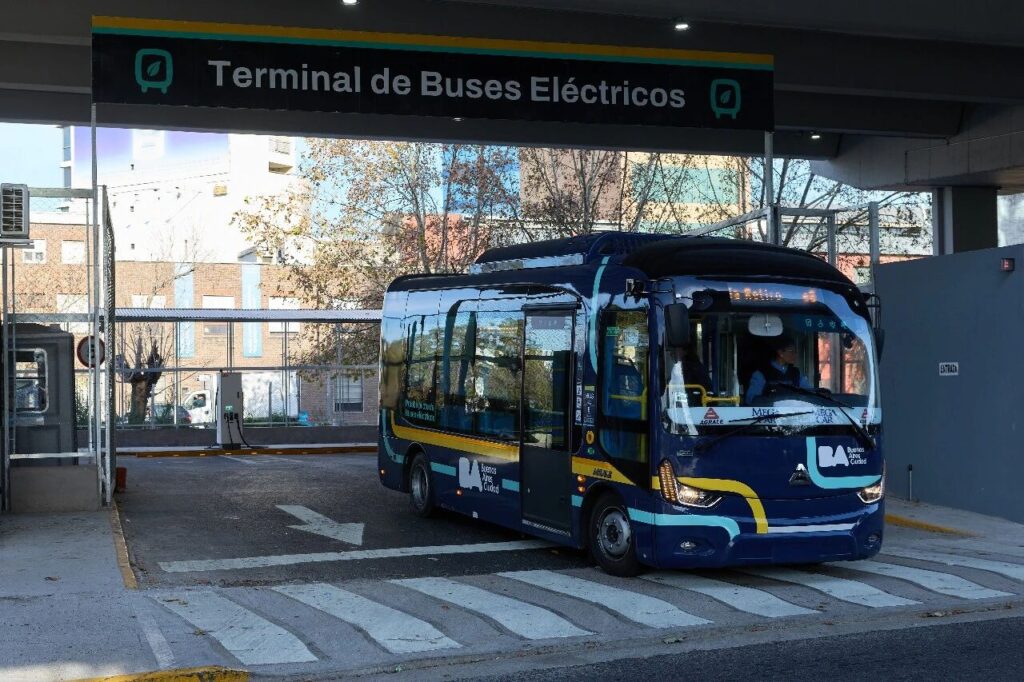
2025年7月4日,由中国扬州亚星客车公司制造的电动公交车驶离阿根廷布宜诺斯艾利斯电动公交车总站。2025年5月,阿根廷首都布宜诺斯艾利斯开通首条100%电动公交线路,投入为期两个月试运营的12辆纯电动公交车由中国扬州亚星客车公司制造。图:新华社
危险并不在于绿色转型本身。危险在于,化石能源时代造成的不平等和依赖模式,可能在一个由不同资源、不同产业和不同行为者构成的新技术框架之下被重现。
The danger is not the green transition itself. The danger is that the inequalities and patterns of dependency created during the fossil-fuel era could be reproduced under a new technological framework with different resources, different industries, and different actors.
要避免这一结果,需要一种更广义的能源安全观:它不仅基于对资源的获取,还基于共享创新、有韧性的供应链、能力建设和更具包容性的全球能源治理体系。
Avoiding this outcome requires a broader vision of energy security: one based not only on access to resources, but on shared innovation, resilient supply chains, capacity building, and a more inclusive system of global energy governance.
化石能源时代的教训不应被遗忘。绿色转型的目标,不应是在新技术条件下重现旧有的支配模式——关键矿产和清洁技术绝不能成为未来的油田和管道。
The lesson of the fossil-fuel era should not be forgotten. The objective of the green transition should not be to reproduce old patterns of dominance under new technological conditions. Critical minerals and clean technologies must not become the oil fields and pipelines of the future.
成功的转型需要的不仅仅是用可再生能源替代化石燃料。它需要治理本身的转型——从对控制的竞争,转向围绕韧性、多样化、共享创新和可持续发展的合作。
A successful transition requires more than replacing fossil fuels with renewable energy. It requires a transformation of governance itself—from competition over control to cooperation around resilience, diversification, shared innovation, and sustainable development.
因此,真正的挑战并不在于世界正在超越化石燃料。挑战在于,人类能否超越化石能源时代所造就的地缘政治习惯。
The real challenge is therefore not that the world is moving beyond fossil fuels. The challenge is whether humanity can move beyond the geopolitical habits created by the fossil-fuel age.
结论:从能源转型到治理转型
Conclusion: From Energy Transition to Governance Transition
毫无疑问,鉴于我们已经跨越的令人警醒的红线,未来几十年的伟大成就可能是世界能源系统的转型。然而,更伟大的挑战或许是转型治理能源系统的政治假设。
Without doubt, and given the alarming red lines that we have crossed, the great achievement of the coming decades may be the transformation of the world’s energy systems. Yet the greater challenge may be transforming the political assumptions that govern them.
化石能源时代证明,能源从来不仅仅关乎能源本身。石油和天然气塑造了联盟、影响了冲突、制造了依赖,并成为各国投射经济和地缘政治权力的工具。
The fossil-fuel era demonstrated that energy has never been only about energy. Oil and gas shaped alliances, influenced conflicts, created dependencies, and became instruments through which states projected economic and geopolitical power.
可再生时代提供了一种不同未来的可能性,但它并不会自动保证这一未来的实现。一个由清洁能源驱动的世界,仍可能成为一个在关键矿产、技术领导地位、工业能力和战略供应链的竞争中被分裂的世界。
The renewable era offers the possibility of a different future, but it does not automatically guarantee one. A world powered by clean energy can still become a world divided by competition over critical minerals, technological leadership, industrial capacity, and strategic supply chains.
从当今地缘政治紧张局势中浮现的核心教训是:脆弱性本身已成为一种权力来源。各国日益竞争的不仅仅是对资源的控制,更是对他人所依赖的系统的控制——即能源流动、技术、金融、基础设施和供应网络。
The central lesson emerging from today’s geopolitical tensions is that vulnerability itself has become a source of power. States increasingly compete not only to control resources, but to control the systems on which others depend—namely, energy flows, technologies, finance, infrastructure, and supply networks.
这就是”武器化相互依赖”的挑战。
This is the challenge of weaponized interdependence.
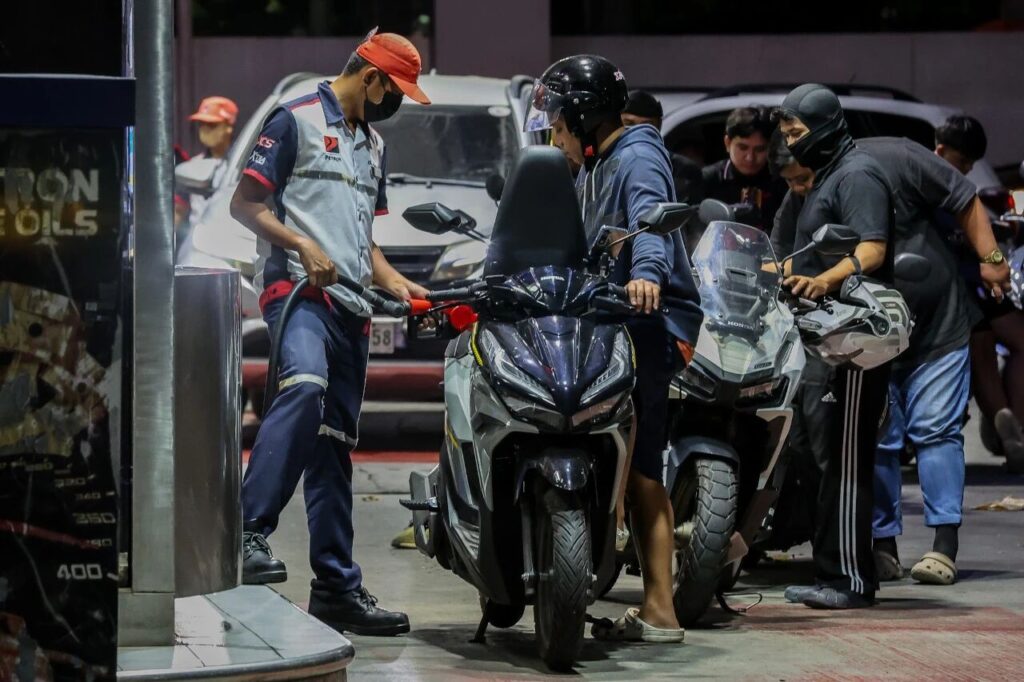
国际能源署6月16日发布报告说,伊朗战事引发的能源危机给东南亚地区能源安全敲响警钟。图为人们在菲律宾奎松市的一家加油站排队加油。图源:新华社
然而,气候变化代表着一种根本不同类型的威胁。它无法通过支配他人来应对,因为没有任何国家——无论其经济实力、技术能力或地缘政治影响力如何——能够仅凭自身确保免受全球性不稳定的影响。
Nevertheless, climate change represents a fundamentally different category of threat. It cannot be addressed through dominance over others, because no nation, regardless of its economic strength, technological capacity, or geopolitical influence, can secure itself from planetary instability alone.
气候安全不依赖于控制脆弱性,而依赖于减少共同脆弱性。
Climate security depends not on controlling vulnerability, but on reducing shared vulnerability.
因此,能源转型的下一阶段也必须成为治理的转型。
The next stage of the energy transition must therefore also become a transition in governance.
今天,国际社会面临的问题,不再仅仅是世界能以多快的速度替代化石燃料,而是人类能否建立一个以韧性而非依赖、合作而非强迫、集体安全而非战略竞争为基础的新型能源秩序。因此,未来不应仅由驱动我们经济的动力来决定,而应取决于我们能否改变权力本身的逻辑。
Today, the question facing the international community is no longer only how quickly the world can replace fossil fuels, but whether humanity can build a new energy order based on resilience rather than dependency, cooperation rather than coercion, and collective security rather than strategic rivalry. Consequently, the future should not be determined only by what powers our economies, but should be determined by whether we can change the logic of power itself.
在二十一世纪,权力日益基于”谁控制他人所依赖的系统”,而不仅仅是”谁拥有资源”。这就是武器化相互依赖的时代。
In the twenty-first century, power is increasingly based not only on who possesses resources, but on who controls the systems upon which others depend. This is the era of weaponized interdependence.
如果没有所需的转型,绿色转型或许会改变能源的来源,但不会改变围绕能源的冲突。
Without the required transformation, the green transition may change the sources of energy—but not the conflicts surrounding them.
.